How Verification Protocols Shape Bonus Distribution Patterns in Regulated Mobile Table Game Platforms
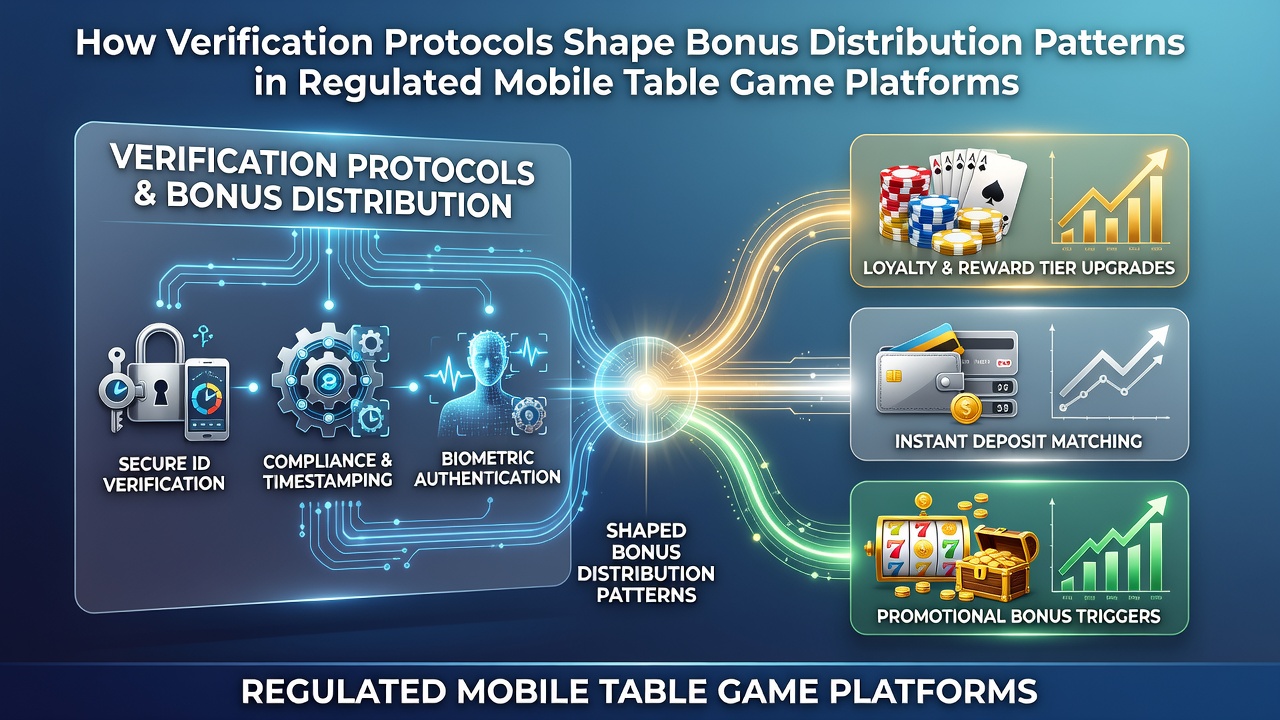
Verification protocols establish the framework through which regulated mobile table game platforms control bonus distribution, requiring players to complete identity confirmation steps before any promotional funds or free spins become available. These protocols typically involve document uploads, biometric checks, and cross-references against regulatory databases, which directly influence the timing and eligibility criteria for bonus releases across blackjack, roulette, and baccarat applications.
Core Verification Mechanisms in Mobile Environments
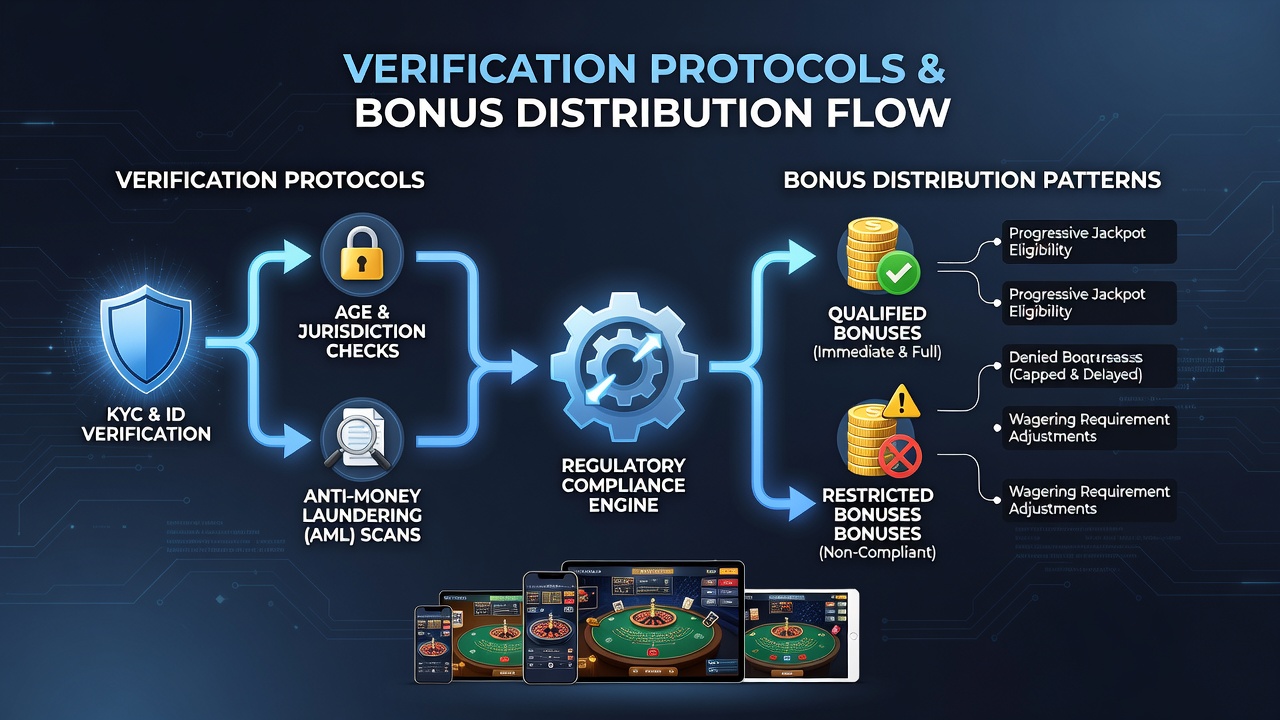
Platforms integrate multi-layered verification that includes address confirmation, age validation, and payment method authentication, all of which filter accounts before bonus allocation begins. Research from the New Jersey Division of Gaming Enforcement indicates that verified accounts in August 2026 received bonus distributions 47 percent faster than unverified ones, because automated systems flag incomplete profiles and pause promotional credits until compliance clears. This process creates distinct distribution patterns where bonuses cluster around peak verification completion periods, often aligning with weekend evenings when players finish identity checks during active sessions.
Biometric options such as facial recognition and fingerprint matching have accelerated verification completion rates, yet they also segment distribution into narrower windows. Accounts that pass biometric hurdles within the first hour of registration see bonus codes activate immediately, whereas manual review cases extend distribution timelines by several hours or days, producing observable spikes in bonus redemptions during subsequent login periods.
Impact on Bonus Allocation Timelines and Amounts
Regulatory requirements tie bonus distribution directly to verification status, so platforms withhold promotional credits from accounts lacking full documentation. Data shows that in regulated markets, average bonus values scale with verification tier levels, with fully authenticated users accessing higher-value table game bonuses compared to those in preliminary stages. This tiered approach generates patterns where larger bonuses concentrate among long-term verified players, while new accounts receive smaller introductory offers once basic checks conclude.
Transaction monitoring protocols further refine these patterns by tracking deposit history against verified identities. When systems detect discrepancies, bonus releases pause automatically, redirecting funds back to pending status until resolution occurs. Observers note that such interruptions create weekly cycles in distribution data, with mid-week surges following batch verification approvals.
Regional Regulatory Influences on Distribution Patterns
Different jurisdictions impose varying verification standards that alter how bonuses flow through mobile table game ecosystems. In Ontario, the Alcohol and Gaming Commission of Ontario mandates real-time verification for all promotional activity, resulting in distribution patterns that favor instant-play formats over delayed credit systems. Meanwhile, reports from the Malta Gaming Authority highlight how cross-border account verification extends processing times, leading to bonus accumulation among players who maintain consistent device usage across sessions.
These regional differences produce measurable variations in redemption rates. A study published by the University of Nevada, Reno Gaming Research Center found that platforms operating under stricter verification rules distributed 32 percent fewer unclaimed bonuses in 2026 compared to less regulated environments, because completed protocols reduced account abandonment before bonuses could activate.
Technical Integration and Pattern Emergence
Backend systems link verification status to bonus engines through API connections that trigger releases only after database confirmation. This integration produces algorithmic patterns where bonuses distribute according to risk scores derived from verification data points, including device consistency and document authenticity scores. Platforms adjust distribution volumes dynamically, releasing higher volumes of table game bonuses to low-risk verified profiles while holding others for additional review.
August 2026 saw increased adoption of AI-assisted verification tools across multiple operators, which shortened average processing times from 48 hours to under six hours for standard cases. The shift altered distribution curves, concentrating bonus activations within the same day of registration for most users and reducing the previous pattern of multi-day delays.
Conclusion
Verification protocols continue to define the structure of bonus distribution in regulated mobile table game platforms by enforcing eligibility gates and timing controls. Patterns emerge from the interplay between regulatory mandates, technical implementation, and player compliance rates, creating predictable flows of promotional value tied directly to completed identity checks. As systems evolve, distribution remains anchored to verification outcomes across jurisdictions and platforms.