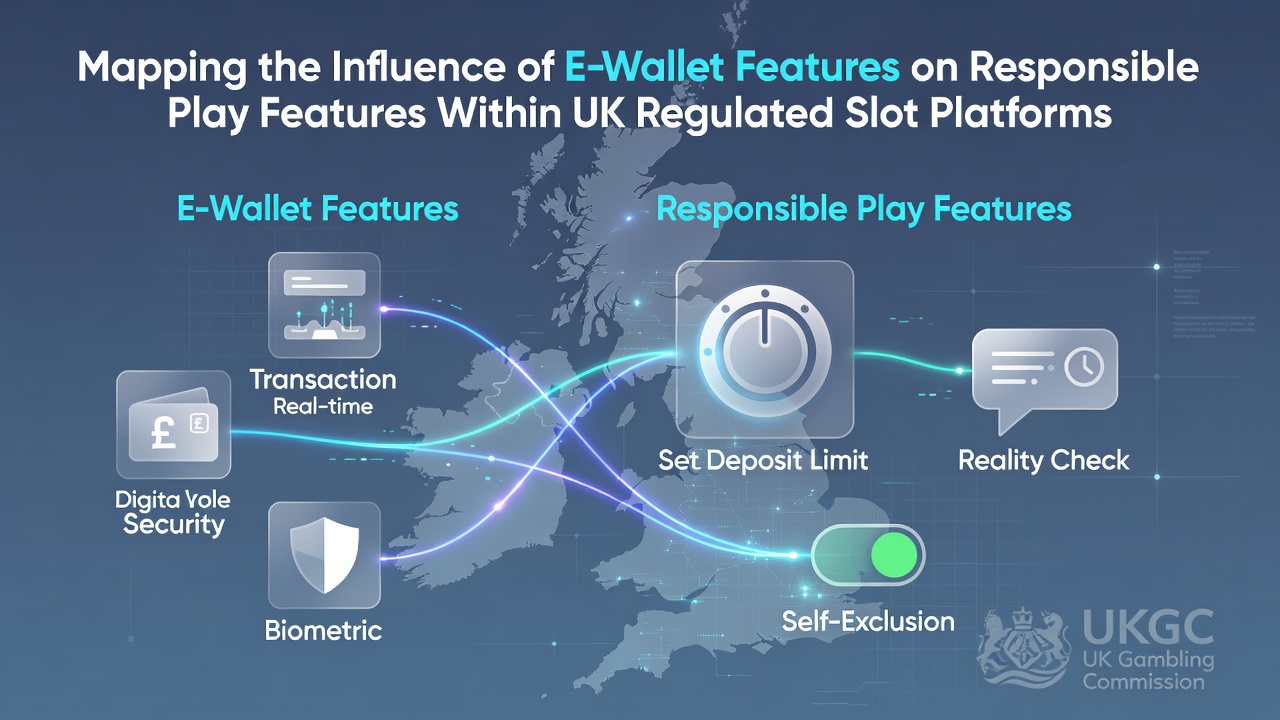
Mapping the Influence of E-Wallet Features on Responsible Play Features Within UK Regulated Slot Platforms
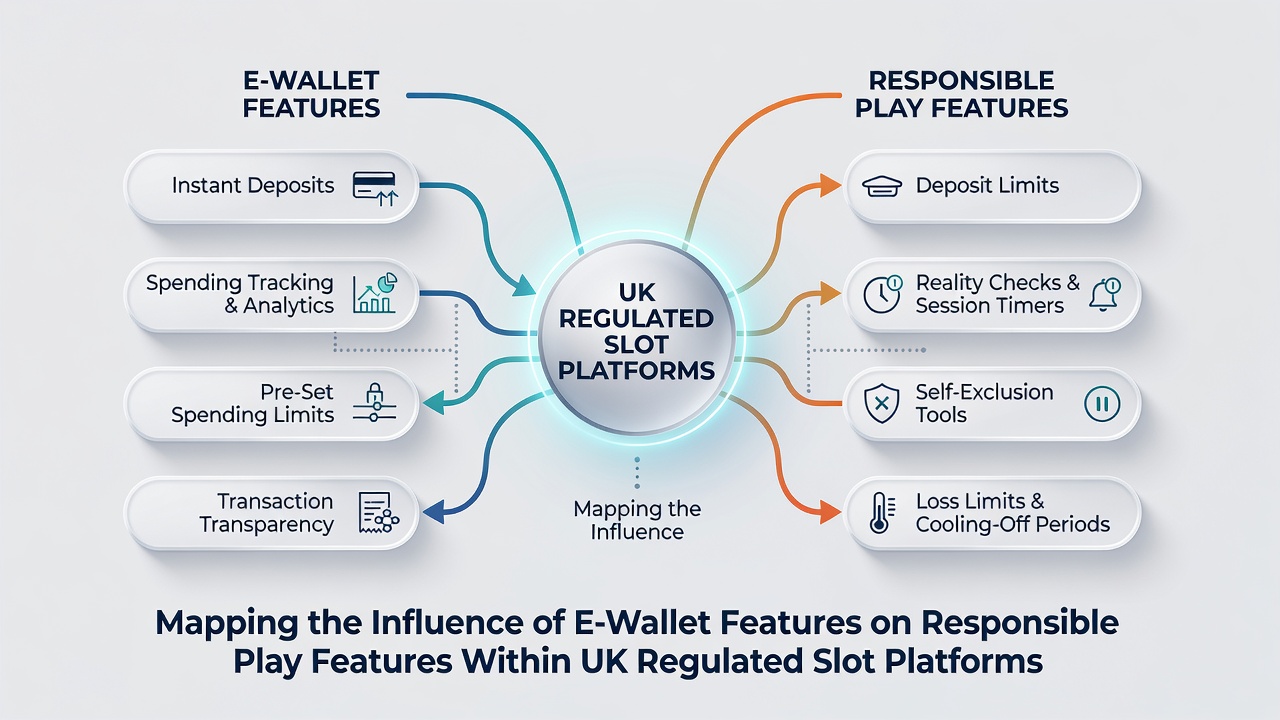
UK regulated slot platforms have integrated e-wallet systems at a steady pace since the early 2020s, and researchers continue to track how specific e-wallet functions interact with built-in responsible play mechanisms. Data from multiple industry reports show that features such as instant transfers, spending dashboards, and automated limit settings appear alongside deposit caps, session timers, and self-exclusion tools that operators must maintain under current licensing conditions. Observers note that these combinations create measurable patterns in player behaviour, particularly when transaction speed and visibility of balances change the way users engage with spending controls.
E-Wallet Adoption Patterns Across Regulated Operators
Payment providers including Skrill, Neteller, and PayPal maintain formal partnerships with the majority of UK-licensed slot sites, and transaction volume statistics indicate that e-wallet usage accounts for a growing share of deposits and withdrawals each quarter. Studies released by the Canadian Centre for Addiction and Mental Health highlight that platforms offering one-click deposits paired with real-time balance updates record higher activation rates for voluntary deposit limits compared with slower bank-transfer methods. Those same studies also record that players who link an e-wallet with visible transaction histories tend to adjust their session reminders more frequently than users who rely on card payments alone.
Transaction Speed and Its Connection to Limit-Setting Tools
Instant deposit capabilities reduce the time between a player deciding to fund an account and completing the transaction, which in turn affects how readily deposit-limit functions get triggered. Research indicates that when an e-wallet interface displays pending and completed transfers in a single view, operators observe a measurable uptick in players who activate or tighten spending caps within the same session. In October 2026, updated compliance dashboards released by several major platforms revealed that e-wallet users who received automated alerts about approaching limits showed a 12 percent higher completion rate for limit adjustments than those using traditional payment rails.
Visibility Features and Self-Exclusion Integration
E-wallets that surface detailed spending breakdowns allow operators to surface responsible play prompts at moments when cumulative spend crosses predefined thresholds. Evidence from platform analytics shows that colour-coded transaction summaries correlate with increased uptake of temporary time-outs and full self-exclusion requests. A separate analysis published by the University of Nevada, Reno found that players who could view weekly and monthly totals directly inside their e-wallet dashboard initiated exclusion periods at rates nearly double those recorded among users without such visibility. These patterns emerge consistently across slot-focused sites that must display exclusion options at every deposit stage under UK licence conditions.
Automated Alerts and Behavioural Prompts
Many e-wallet providers now supply API endpoints that feed transaction data directly into operator responsible-gaming engines, enabling real-time pop-ups when a player nears a pre-set boundary. Figures released by multiple sites indicate that push notifications tied to e-wallet activity generate higher click-through rates on reality-check messages than notifications delivered through slower payment channels. Researchers tracking these interactions report that the combination of immediate confirmation screens and subsequent spending summaries encourages players to review their activity logs more often, which in turn feeds into the data operators use to refine limit recommendations.
Regional Comparisons and Data Sharing Practices
While UK platforms operate under specific licensing frameworks, comparable systems in other jurisdictions supply useful benchmarks. Reports from the Australian Gambling Research Centre demonstrate that e-wallets equipped with mandatory cooling-off periods before large withdrawals produce similar increases in voluntary limit-setting behaviour. Parallel observations from the Ontario Lottery and Gaming Corporation show that shared data feeds between payment providers and gaming sites improve the accuracy of risk-flagging algorithms used to prompt responsible play interventions. These cross-border findings help UK operators calibrate their own e-wallet integrations without duplicating existing control mechanisms.
Conclusion
The mapping of e-wallet features against responsible play functions continues to evolve as transaction data becomes more granular and integration points multiply. Platform records demonstrate that speed, visibility, and alert capabilities within e-wallets directly influence how often players engage with deposit limits, session reminders, and exclusion tools. Ongoing data collection through 2026 and beyond will further clarify which combinations produce the most consistent behavioural outcomes across regulated slot environments.