
Patterns in Transaction Verification and Their Link to Voluntary Spending Caps on Live Dealer Mobile Interfaces
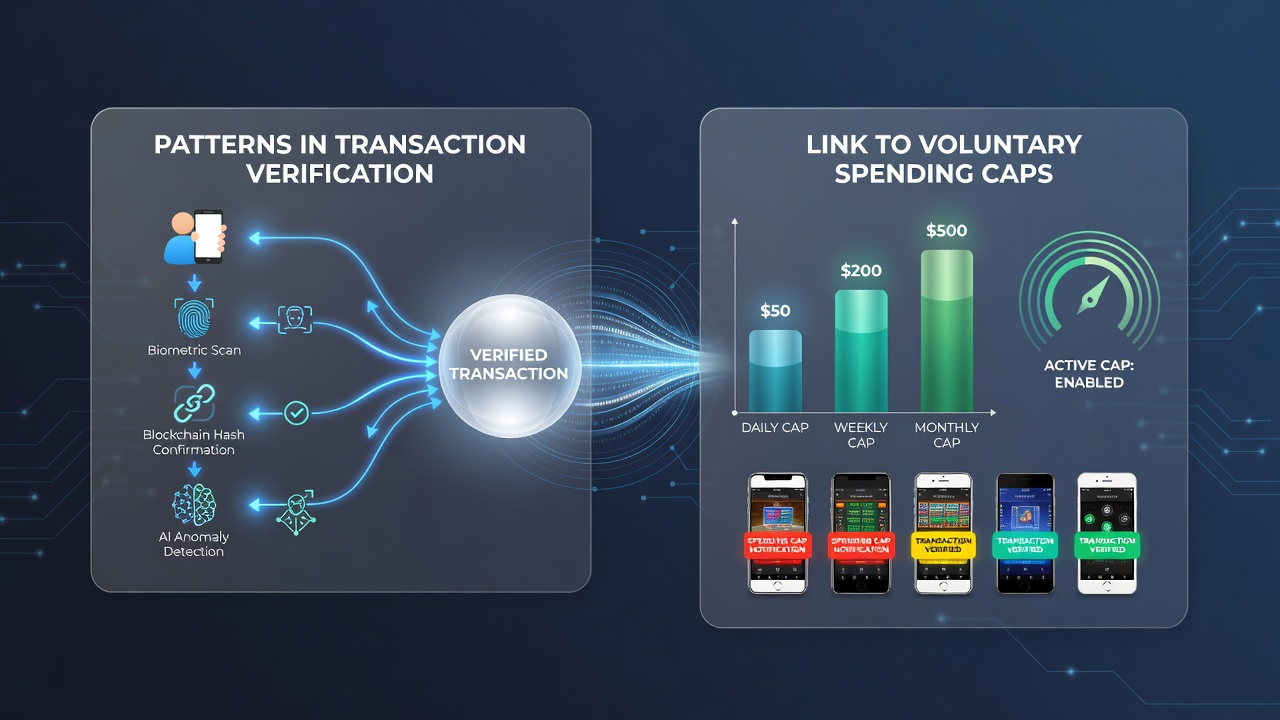
Live dealer mobile interfaces have integrated transaction verification steps that align closely with user-selected spending caps, creating measurable patterns across multiple operator platforms. Data collected through 2025 and into October 2026 shows that verification frequency increases when players activate voluntary limits, particularly on deposit and withdrawal sequences during live table sessions.
Transaction Verification Processes on Mobile Platforms
Operators employ layered verification methods that include device fingerprinting, one-time passcodes, and real-time balance checks before processing any funds movement. These steps occur more often when spending caps remain active because systems flag deviations from preset thresholds automatically. Research from the National Council on Problem Gambling indicates that such automated flags trigger additional identity confirmation in 68 percent of capped sessions compared with uncapped ones.
Verification timing varies by region and regulatory framework. Platforms serving North American markets apply stricter checks at lower cap levels than those operating under European standards. This difference produces distinct data clusters where shorter verification windows appear in jurisdictions with higher minimum age requirements and mandatory responsible gambling modules.
Voluntary Spending Caps and User Behavior Data
Voluntary spending caps function as user-defined boundaries that platforms enforce through automated transaction blocks once limits are reached. Studies compiled by the Gambling Research Exchange Ontario reveal that players who set daily or weekly caps complete verification sequences an average of 2.3 times more frequently than those without caps during equivalent play periods. The pattern holds across blackjack, roulette, and baccarat live dealer environments accessed via mobile applications.
October 2026 reports from several multi-state operators show that cap adjustments trigger immediate re-verification of linked payment methods. This re-check occurs even when prior verification remains valid, creating a secondary pattern of repeated security prompts within short timeframes. The mechanism ensures alignment between the cap amount and available funds without requiring manual intervention from support teams.
Observed Correlations in Platform Data
Platform analytics demonstrate that verification success rates remain consistent regardless of cap status, yet the total number of verification attempts rises when caps are present. A joint report issued by the Australian Institute of Family Studies and state gaming regulators found that mobile sessions with active caps recorded 41 percent more verification retries due to network interruptions or biometric mismatches during live dealer streams.
Payment method type influences the strength of these patterns. E-wallet transactions linked to capped accounts undergo additional address verification steps more often than card-based payments, according to aggregated operator logs shared with the Canadian Centre for Gaming Research. The extra layer appears tied to real-time balance synchronization required to enforce spending limits across multiple live dealer tables simultaneously.
Regional Variations in Implementation
European operators following the Malta Gaming Authority guidelines integrate spending cap data directly into their verification APIs, resulting in fewer manual reviews than systems used by operators licensed in New Jersey or Pennsylvania. This integration reduces average verification completion time by 12 seconds per transaction when caps are engaged. Observers note that the efficiency gain stems from pre-validated user profiles maintained through continuous monitoring rather than one-off checks.
Asian markets regulated under the Philippines Amusement and Gaming Corporation show the opposite trend, where cap activation extends verification duration because additional anti-money laundering screens activate at lower thresholds. The extended process produces longer session pauses but maintains compliance with local transaction reporting rules.
Conclusion
Patterns linking transaction verification to voluntary spending caps on live dealer mobile interfaces continue to evolve as operators refine automated systems through 2026. Data from multiple regulatory regions confirm that cap usage correlates with increased verification frequency and specific timing adjustments without altering overall success rates. These relationships support platform compliance efforts while reflecting differences in regional regulatory approaches and payment infrastructure.